Earth is Not Enough
The Strategic Case for Asteroid Mining
We need resources – raw materials and energy. In the near future, we will need substantially more. It is unrealistic to aim for self-sufficiency, whether in materials (from sand and steel to PGMs & REEs) or in energy (oil, electricity), just to maintain our current standard of living, let alone for any civilizational advancement.
Furthermore, the process of acquiring, processing, and globally transporting these resources is inflicting incredible damage on our environment. Terrestrial mining and subsequent processing use aggressive technologies to feed the ever-growing consumption of a globalized world.
The situation is compounded by the uneven global distribution of mineral deposits (and their ownership!); the outsourcing of costs (contamination, labor exploitation) to the nations of the “Global South,” which escalates social tensions; and the paradoxes of our energy sources. Oil is not a long-term solution. Nuclear power, while more sustainable long-term, produces highly toxic waste. And so-called “green energy” requires materials and manufacturing processes that are anything but green. Geopolitical conflicts layered on top of this add yet another level of complexity.
But here is the blunt reality: to sustain and advance our civilization, we simply must acquire resources and energy from somewhere. This is not up for debate. No one is seriously proposing to reduce the global population by 75% and return to a pre-industrial agrarian society.
We need a solution that can meet growing demand without worsening the current situation. At this moment, Earth is simply too small and has limited resources for our needs. But if we break free from “Earth-centric” thinking, a solution exists. It is not science fiction, and it is achievable with our current level of technology and knowledge.
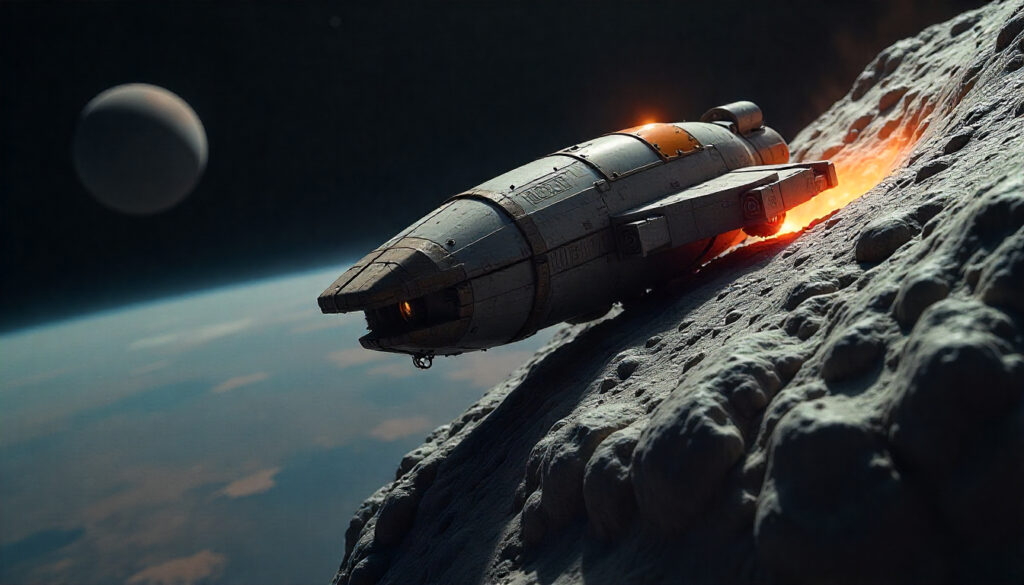
Asteroids.
This “cosmic debris” drifting through space contains most of the elements and compounds that are becoming scarce here at home—resources we currently acquire at the expense of our own living space.
From asteroids, we can get:
- Bulk Materials: Oxygen (O), Silicon (Si), Magnesium (Mg), Iron (Fe)
- Industrial Metals: Iron (Fe) and Nickel (Ni)
- Volatiles: Carbon (C) and Water (H₂O)
- Critical Elements: Sulfur (S), Aluminum (Al), Calcium (Ca)
- Rare Earth Elements (REE): Lanthanum, Neodymium, etc.
- Precious Metals: Gold and Platinum Group Metals (PGM) in higher concentrations than in Earth’s crust.
Moreover, in space, it is vastly easier to generate clean solar energy without clouds, nights, or the appropriation of agricultural land. The energy supply is stable and reliable.
The ability to acquire these elements and this energy in space would allow us to obtain resources that are, in principle, available to anyone, without destroying our own environment. A portion of these resources can be used to build, power, and maintain a fully automated and autonomous mining program using robots and drones.
- We should protect our home planet.
- That means sourcing our industrial resources elsewhere.
Therefore, our development must be directed outward.

